The economic impact of a distribution or warehouse facility
A distribution center brings jobs and investment, along with truck traffic and a tax deal. What an honest warehouse study weighs on both sides.
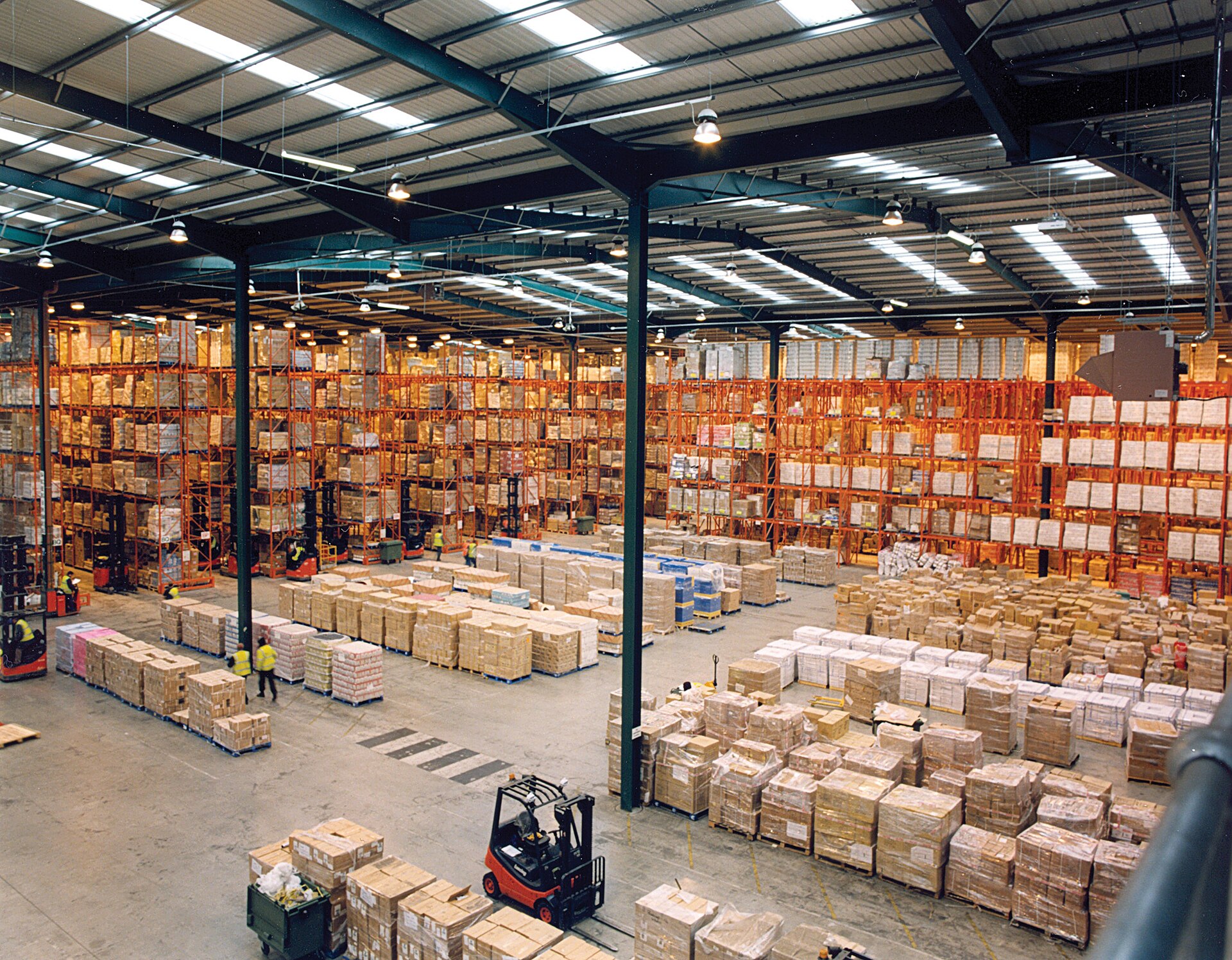
Pallet racking inside a modern distribution warehouse. Photo: Axisadman, CC BY-SA 3.0. Source
Ask how many jobs go to residents rather than commuters, and what they pay. A warehouse's value to the county depends more on that than on the headcount.
The jobs are the story, and the question
A distribution or fulfillment center's main promise is employment, often a few hundred jobs in a rural county that badly wants them. That is a real benefit worth measuring well. The questions an honest study has to answer are how many of those jobs go to local residents rather than commuters, what they pay, and how stable they are, because a warehouse's value to a community depends heavily on the answers.
Construction versus operations
The build is large and one-time: site work, the shell, and the racking, over a year or so. It belongs in the study labeled as temporary. The ongoing impact is the payroll and the facility's local spending, which is steadier but smaller than the construction headline. Blending the two makes a warehouse look like a bigger permanent engine than it is.
Where the dollars leave
A distribution center's operating budget is dominated by transportation, equipment, technology, and corporate costs that flow to vendors and headquarters elsewhere. The local share is mostly wages and some services. A study that credits the region with the full operating budget is counting money that mostly passes through on its way out.
The costs a community actually feels
Warehouses generate heavy truck traffic, road wear, and demand on local infrastructure, and they often arrive with a request for tax relief. An honest analysis puts those on the page next to the jobs, because the public is weighing a real trade. Leaving out the road impact and the abatement flatters the project and hides what the county gives up.
What a defensible warehouse study looks like
It grounds the jobs number in local hiring and real wages, separates construction from operations, handles the heavy operating leakage honestly, and shows the traffic, infrastructure, and tax picture alongside the benefit. Done that way, a county can see the whole deal it is being offered, not just the ribbon-cutting.
Weighing a project like this? Tell us what you are considering and where, and we will lay out what a defensible impact and feasibility read takes, and what it costs.
Start a conversation