The economic impact of a hospital or healthcare facility
Healthcare is often a region's largest economic anchor. What drives the impact, and why contribution and new activity must be kept separate.
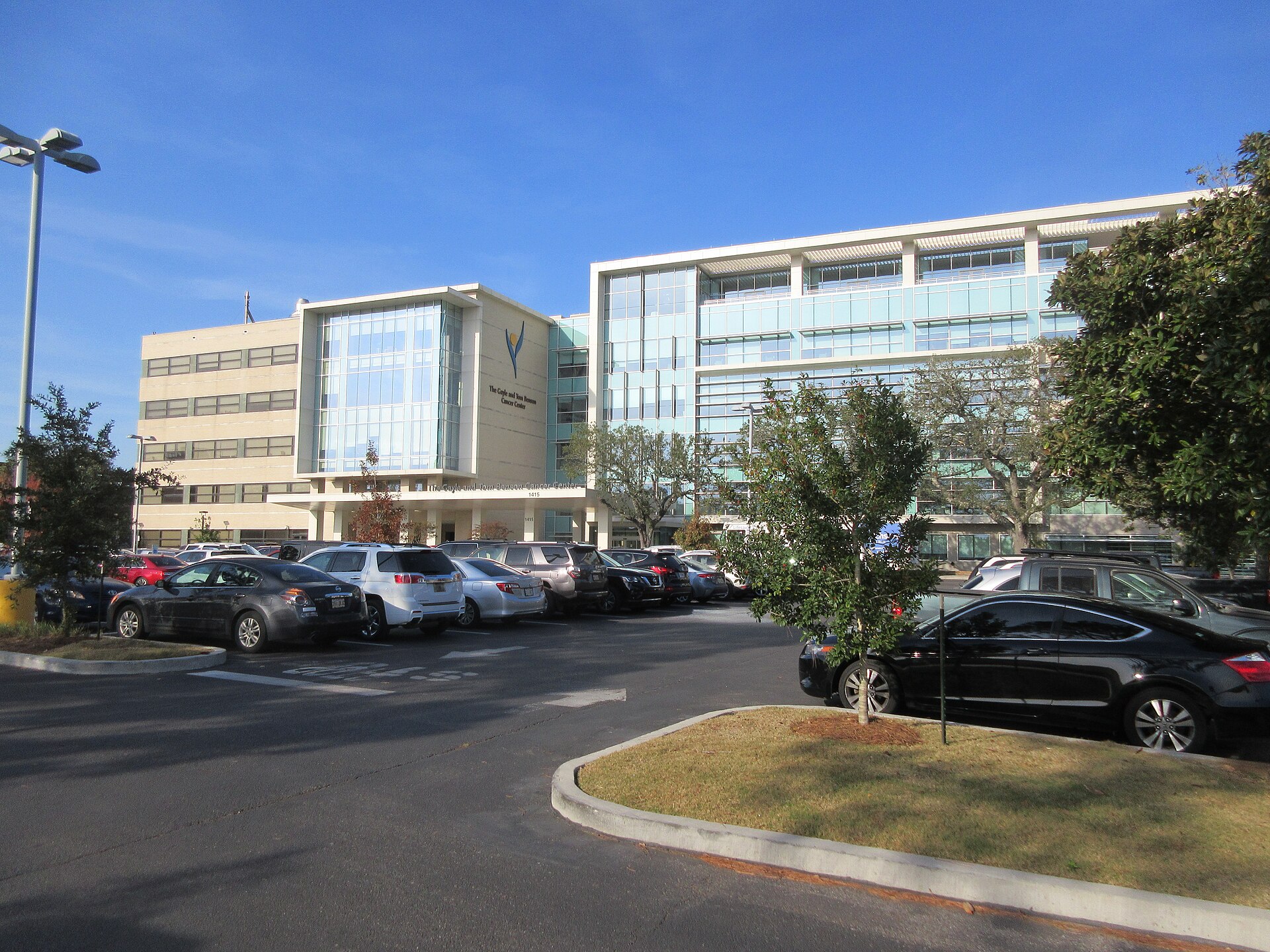
Exterior of a modern medical center. Photo: Infrogmation of New Orleans, CC BY-SA 4.0. Source
Ask whether the study measures the whole footprint or just the expansion. Crediting a new wing with the entire hospital's activity can inflate the number several times over.
A hospital or major healthcare facility is frequently the largest employer and economic anchor in a rural region. That makes its economic impact genuinely significant, and just as easy to overstate, because a healthcare study can measure the wrong thing.
Contribution versus impact
A hospital study can report the facility's total economic footprint: every job, every dollar of spending, the whole role it plays in the regional economy. That is a contribution analysis, and it is a fair way to show how important an existing institution is. It is not the same as the impact of a change, such as an expansion or a new facility. Presenting a hospital's entire footprint as the impact of a new investment overstates the case dramatically, because most of that footprint would exist regardless. The two questions need to be kept separate, and the study should be clear about which one it is answering.
Why healthcare anchors a rural economy
Where the impact is real, it is real for good reasons. Healthcare brings in outside money through Medicare, Medicaid, and insurance payments, much of it originating outside the region, which functions like an export base. It employs a large, relatively high-wage workforce, and it retains local spending on care that would otherwise leave the region. Those are durable strengths, and they are why losing a rural hospital is so economically damaging.
The expansion case
For a genuine investment decision, such as a new wing, a clinic, or a service line, the right analysis isolates the new activity that investment creates, not the hospital's existing footprint. It asks how much new outside revenue the expansion draws, how many jobs are genuinely added, and whether the service retains care and spending that currently leaves the region.
What a defensible healthcare study does
It states plainly whether it is measuring contribution or impact, isolates new activity for an investment decision, and is honest about how much of the revenue originates outside the region. Done that way, healthcare stands as one of the strongest and most defensible economic anchors a rural region has.
Weighing a project like this? Tell us what you are considering and where, and we will lay out what a defensible impact and feasibility read takes, and what it costs.
Start a conversation