The economic impact of a new hotel or resort
Why visitor spending and leakage decide the real number, and the assumptions that quietly inflate a tourism study.
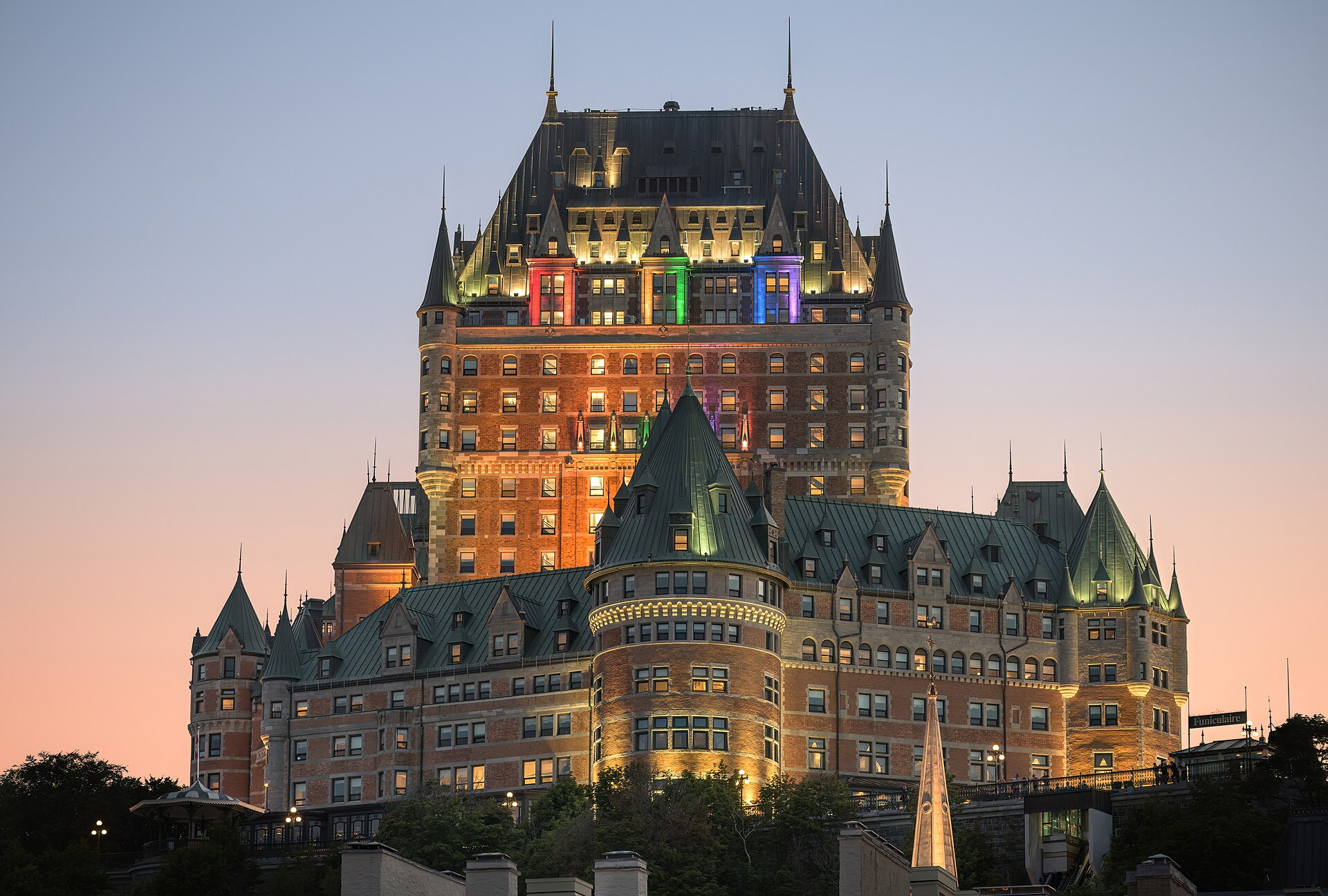
A large resort hotel. Photo: Wilfredor, CC0. Source
Ask where the guests come from. A hotel that pulls them from lodging down the road adds little, and out-of-town ownership sends much of the rest back out.
A hotel or resort is one of the most common projects to attract an economic impact study, and one of the easiest to overstate. The activity looks impressive on paper: construction jobs, permanent staff, and a stream of visitors spending in town. But the honest number depends almost entirely on two questions the headline rarely answers.
Is the spending new, or just moved?
The value of a hotel to a local economy comes from visitors who would not otherwise have come, and who spend money that would not otherwise have been spent locally. If the new hotel simply pulls guests from existing lodging down the road, the regional impact is close to zero even though the new building is busy. The first job of an honest study is to separate genuinely new visitor demand from spending that was already happening in the area.
Where the visitor dollar goes
Visitor spending is where a tourism study can inflate the number the most, because much of it leaks out of the region immediately. A guest pays for a room, but a large share of that room rate flows to a national brand, a management company, and suppliers located elsewhere. The dollars that actually stay and multiply locally are the wages of local staff and the spending guests do off-property, at restaurants, shops, and attractions. A study that counts the full room rate as local impact is describing a bigger economy than the one the hotel actually feeds.
Construction is a spike, not a level
The construction phase produces a real but temporary burst of activity. It belongs in the analysis clearly labeled as one-time, separate from the ongoing operations impact. Blending the two, or presenting the construction jobs as if they persist, is one way a hotel study reads larger than the steady-state reality.
The fiscal side a town actually feels
For a city or county weighing support for a hotel, the fiscal question matters as much as the impact. Lodging taxes and property taxes are real revenue. Against them sit the public costs of serving a new visitor destination. A sound study puts both on the page, because a project that generates activity can still be a fiscal question mark in its early years.
What a defensible hotel study looks like
It isolates genuinely new visitor demand, handles room-rate leakage honestly, separates construction from operations, and shows the fiscal picture over time rather than a single flattering year. Done that way, the number is smaller than the brochure version and far more likely to survive a lender's or a council's review.
Weighing a project like this? Tell us what you are considering and where, and we will lay out what a defensible impact and feasibility read takes, and what it costs.
Start a conversation