The economic impact of a housing development
Housing generates real activity, but often costs a government more to serve than it returns. Why the fiscal question decides it.
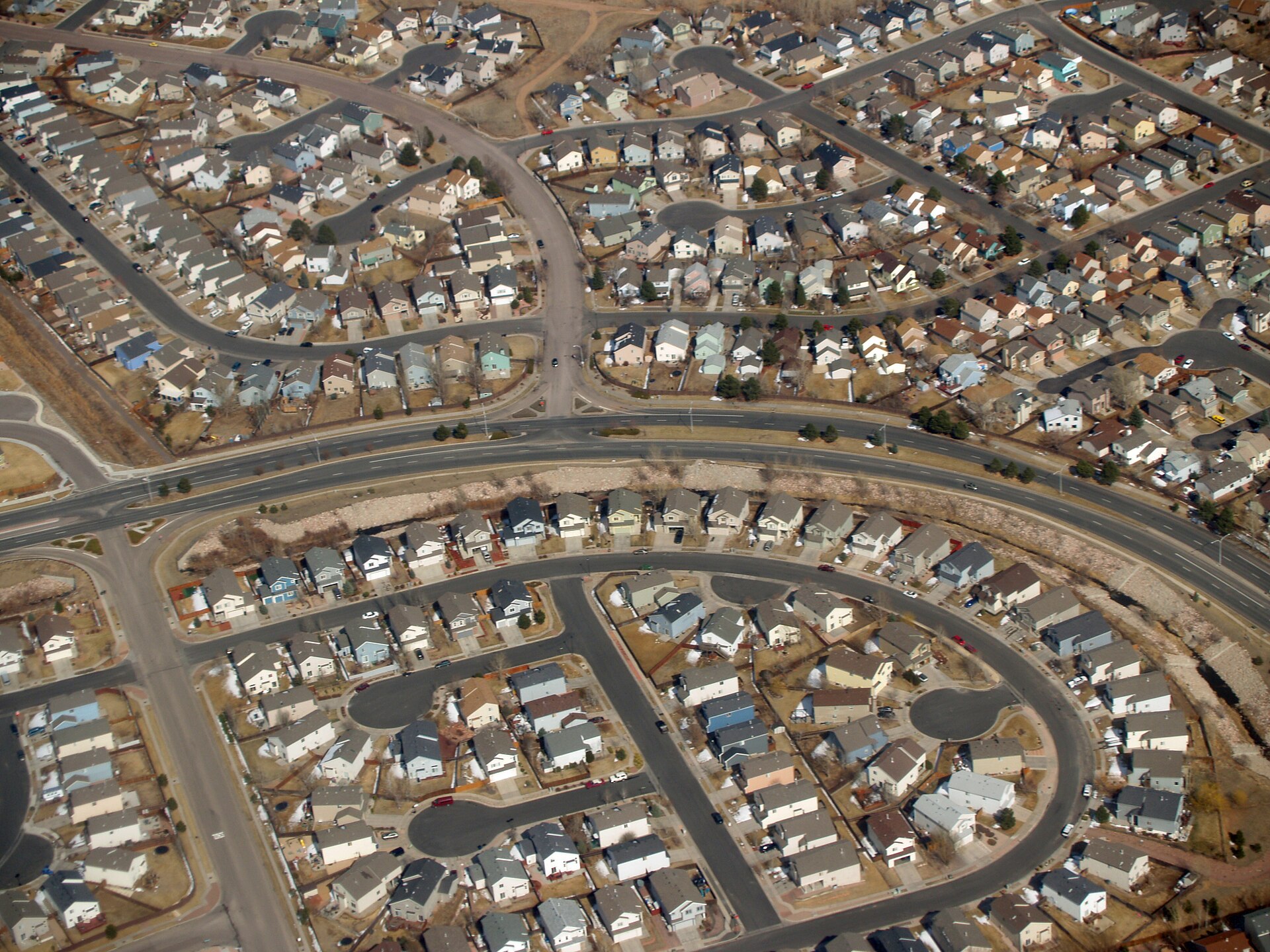
An aerial view of a suburban housing development. Photo: David Shankbone, CC BY-SA 3.0. Source
Ask for the fiscal analysis alongside the economic one. Schools, roads, and public safety can cost more to serve than the new homes return in taxes.
A housing development produces two very different kinds of impact, and confusing them is how communities approve projects that later strain their budgets. The economic impact, construction activity and new resident spending, is usually positive. The fiscal impact, what the development costs the local government to serve against what it returns in revenue, is the one that decides whether the project helps or hurts the public balance sheet.
The economic side
Construction is a real, if temporary, burst of activity, and new residents bring ongoing spending into the local economy. The honest questions are whether the residents are genuinely new to the region or relocating within it, and how much of their spending stays local rather than leaking to regional retail centers and online. New rooftops are not automatically new economic activity.
The fiscal side that gets skipped
Here is where housing surprises jurisdictions. New homes generate property tax and fees, but they also require services: roads, water and sewer, public safety, and, most significantly, schools. For many residential developments, especially lower-density ones, the ongoing cost to serve the new households exceeds the revenue they generate, particularly in the early years before the tax base matures. A development can be an economic positive and a fiscal drain at the same time.
Type and density change everything
The fiscal math depends heavily on what is built and where. Higher-density housing near existing infrastructure tends to pencil better for a local government than low-density development that requires extending services. A study that reports one number for "housing" without accounting for type, density, and location is hiding the variable that actually determines the outcome.
What a jurisdiction should ask for
For a housing decision, the fiscal impact analysis is often more important than the economic impact. It should weigh revenue against the real cost of services over time, not a single year, and it should be honest about schools and infrastructure. That is the analysis that lets a council approve housing with its eyes open, or negotiate the terms and density that make it work.
Weighing a project like this? Tell us what you are considering and where, and we will lay out what a defensible impact and feasibility read takes, and what it costs.
Start a conversation