Independent economic studies for the governments, developers, and businesses of the Carson Valley and the Tahoe south shore, built on Douglas County's own federal data and designed to hold up when a lender or a funder reviews them.
| Largest sectors by employment | Jobs | Concentration |
|---|---|---|
| Accommodation & food services | 4,404 | 2.41x |
| Retail trade | 2,320 | 1.15x |
| Manufacturing | 2,203 | 1.31x |
| Health care & social assistance | 1,743 | 0.58x |
| Construction | 1,647 | 1.56x |
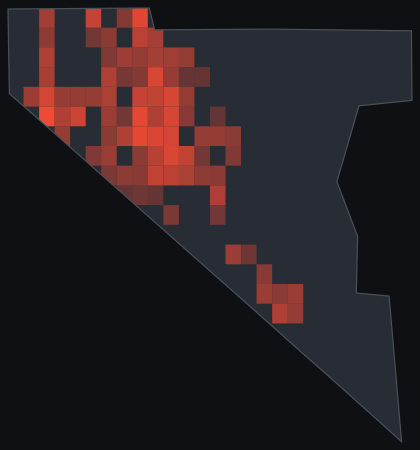
Source: U.S. Bureau of Labor Statistics, Quarterly Census of Employment and Wages, 2023 annual averages, Douglas County. Concentration is a location quotient (county sector share of employment divided by the national share), computed by Project Red Team. Covered jobs exclude the self-employed and some agricultural workers.
Douglas County runs on roughly 19,900 covered jobs across about 2,030 establishments, at an average annual wage near $64,000, with employment up about 1.2 percent over the year. Accommodation and food service is the largest employer, near 4,400 jobs, followed by retail, manufacturing, health care, and construction. The concentration that defines the county is recreation: arts, entertainment, and recreation employ people here at about three times the national rate, and accommodation and food service at nearly two and a half times, the combined weight of the Stateline casinos and the ski and lake recreation of the Tahoe south shore. Manufacturing and construction both run above their national shares, reflecting the Carson Valley economy around Minden and Gardnerville.
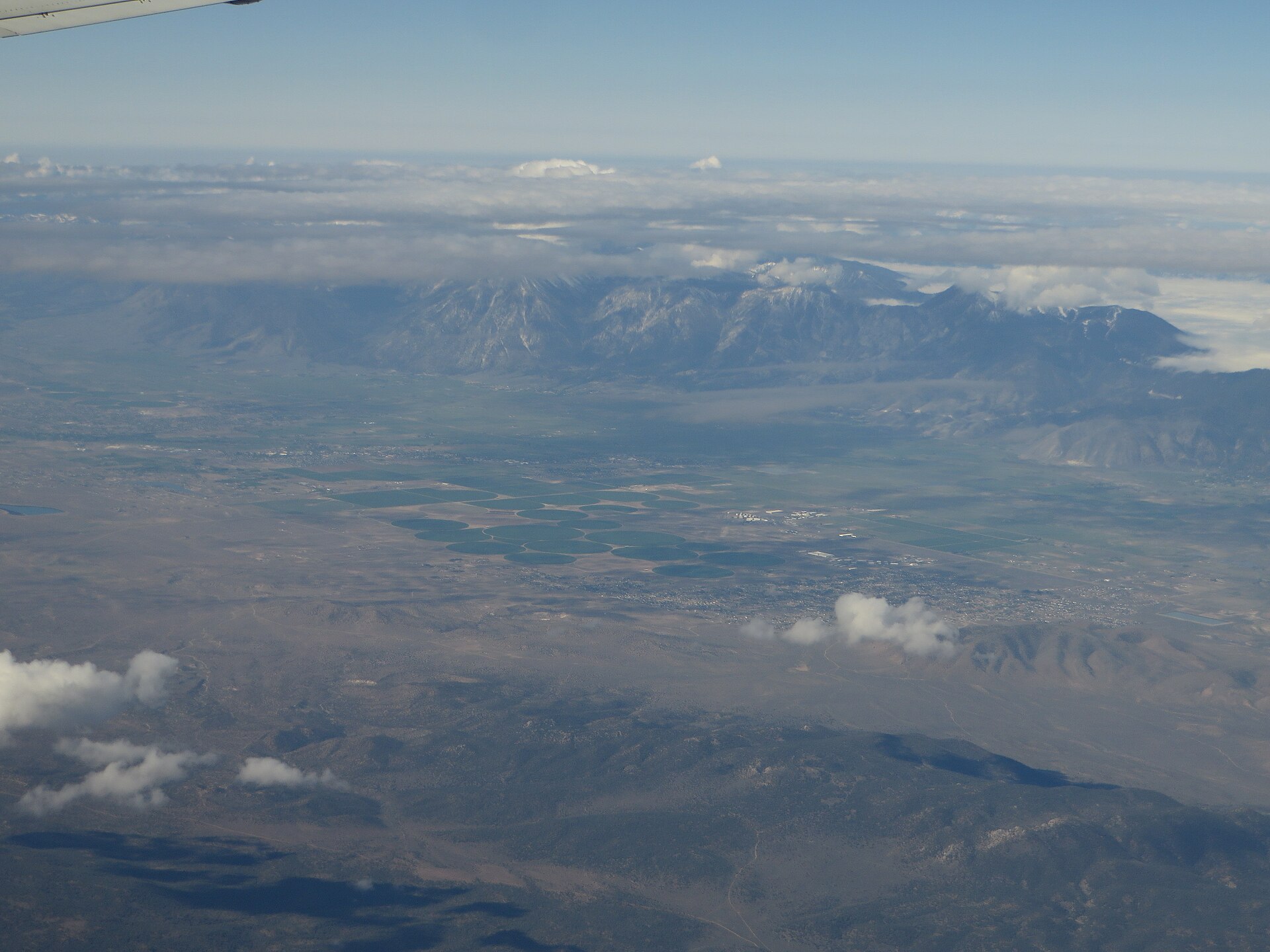
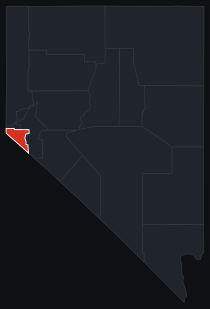
Douglas County joins two economies at opposite ends of its territory. At the Lake Tahoe south shore, the Stateline casinos and the ski and lake recreation of the Tahoe basin drive an arts, recreation, and hospitality concentration well above national levels. In the Carson Valley around Minden and Gardnerville, agriculture, ranching, manufacturing, and construction support a growing residential and commercial base. The two halves give the county an unusually diverse economy for its size.
A resort or casino investment at Stateline, a hotel, a ski or mountain-resort project, a Carson Valley ranch, or a housing development all turn on the same two questions: what the project genuinely adds to the county, and whether it pencils under the real labor, land, and seasonal conditions of a county split between a mountain resort economy and a working valley.
A concrete subject here is the transformation of the former Harveys Lake Tahoe at Stateline into Caesars Republic Lake Tahoe, a roughly two hundred million dollar renovation that rebranded in 2025 and is slated to finish in the summer of 2026, with a rebuilt casino floor, upgraded rooms, and new dining. A resort investment of this size reshapes gaming revenue, hospitality payroll, and visitor spending at the south shore, and the county will want the genuinely new activity separated from spending that would have happened anyway, and the construction phase separated from the durable operating economy that follows. The Carson Valley farms and ranches around Minden and Gardnerville, and the ski and mountain recreation that gives Douglas its unusually high recreation concentration, raise their own measurable questions.
Public-data path: regional input-output multipliers, free-data regionalized or drawn from a purchased BEA RIMS II order where a project supplies one, BLS QCEW and Census LODES for the local labor base, USDA NASS for Carson Valley agriculture, and the Nevada Gaming Control Board revenue reports along with the resort operator's public disclosures.
We produce the study first: economic impact (what a project brings to Douglas County, in jobs, output, and tax revenue, with local leakage handled honestly), feasibility and viability (whether it should move forward, measured with the finance a lender runs), and fiscal impact for public budgets and grant applications. Every engagement returns a full report, a one-page brief, a reviewer pack, and a decision package.
And if a study is already in hand, we review it: we inventory its quotable claims, attach the evidence, and tell you plainly what survives review before you quote it or fund against it. More on reading a study before you rely on it.
National firms fly in, bill the travel, and price a county like Douglas out of the analysis it needs. We work across the interior West, we can be on-site, and we build every study on the county's measured federal record, the same BLS and Census data behind the numbers above, so the result traces to a public source and survives scrutiny.
Have a project in Douglas County? Tell us what you are weighing and where. We will lay out what it takes to answer it, and what it costs.
Commission a study