The economic impact of a ski or mountain resort
A mountain resort brings tourism and second-home money, along with pressure on housing and services. What an honest study weighs on both sides.
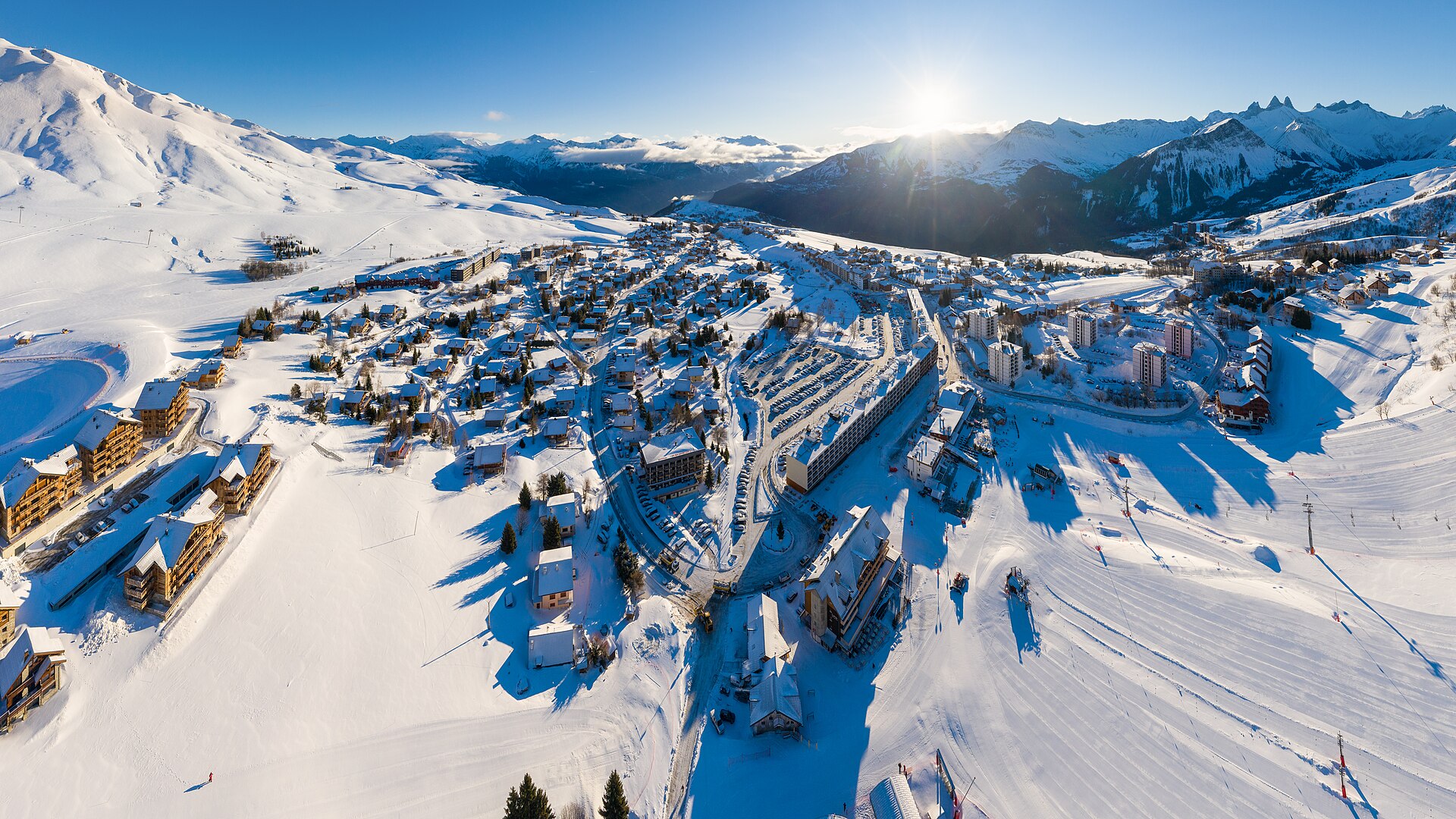
An aerial view of a mountain ski resort. Photo: Benh LIEU SONG ( Flickr ), CC BY-SA 4.0. Source
Ask who owns the lifts and lodging. A national operator sends much of the visitor money out, while housing and wage pressure still lands on the county.
A tourism engine with a housing problem
A ski area or mountain resort can anchor a rural economy, drawing visitors, supporting hotels and restaurants, and pulling in second-home buyers. That activity is real and worth measuring well. It also arrives with a cost that resort studies can leave off the page: the pressure on local housing, wages, and public services that a visitor economy creates. An honest study puts both sides down.
Visitor spending, and where it leaks
The economic case rests on visitor spending, and the honest question is how much of it stays local. Lift tickets and lodging owned by a national operator send much of the money out of the region. The dollars that stay are the wages of local workers and what visitors spend in town, off the mountain. A study that counts the full resort revenue as local impact overstates what the county keeps.
The second-home economy
Mountain resorts create a second-home market, which brings construction, property tax, and spending, along with homes that sit empty much of the year and drive up prices for the people who work there. This is a real and double-edged part of the picture. A sound study treats second homes as both a revenue source and a housing-market force, rather than counting only the upside.
Seasonal, and weather-dependent
Resort economies run on a season and, increasingly, on snow that cannot be counted on. A study that projects a good year forward indefinitely ignores the risk built into the business. The honest version shows the season, the weather exposure, and what a thin year does to both the resort and the town that depends on it.
What a defensible resort study looks like
It grounds the impact in off-mountain visitor spending and local wages, handles operator leakage honestly, treats the second-home market as a cost as well as a benefit, and names the seasonal and weather risk. Done that way, a mountain community can weigh what a resort brings against what it demands.
Weighing a project like this? Tell us what you are considering and where, and we will lay out what a defensible impact and feasibility read takes, and what it costs.
Start a conversation