The economic impact of a ranch or agricultural operation
Agriculture anchors the rural interior West. What an honest study for a ranch or farm operation measures, and where its local dollars really go.
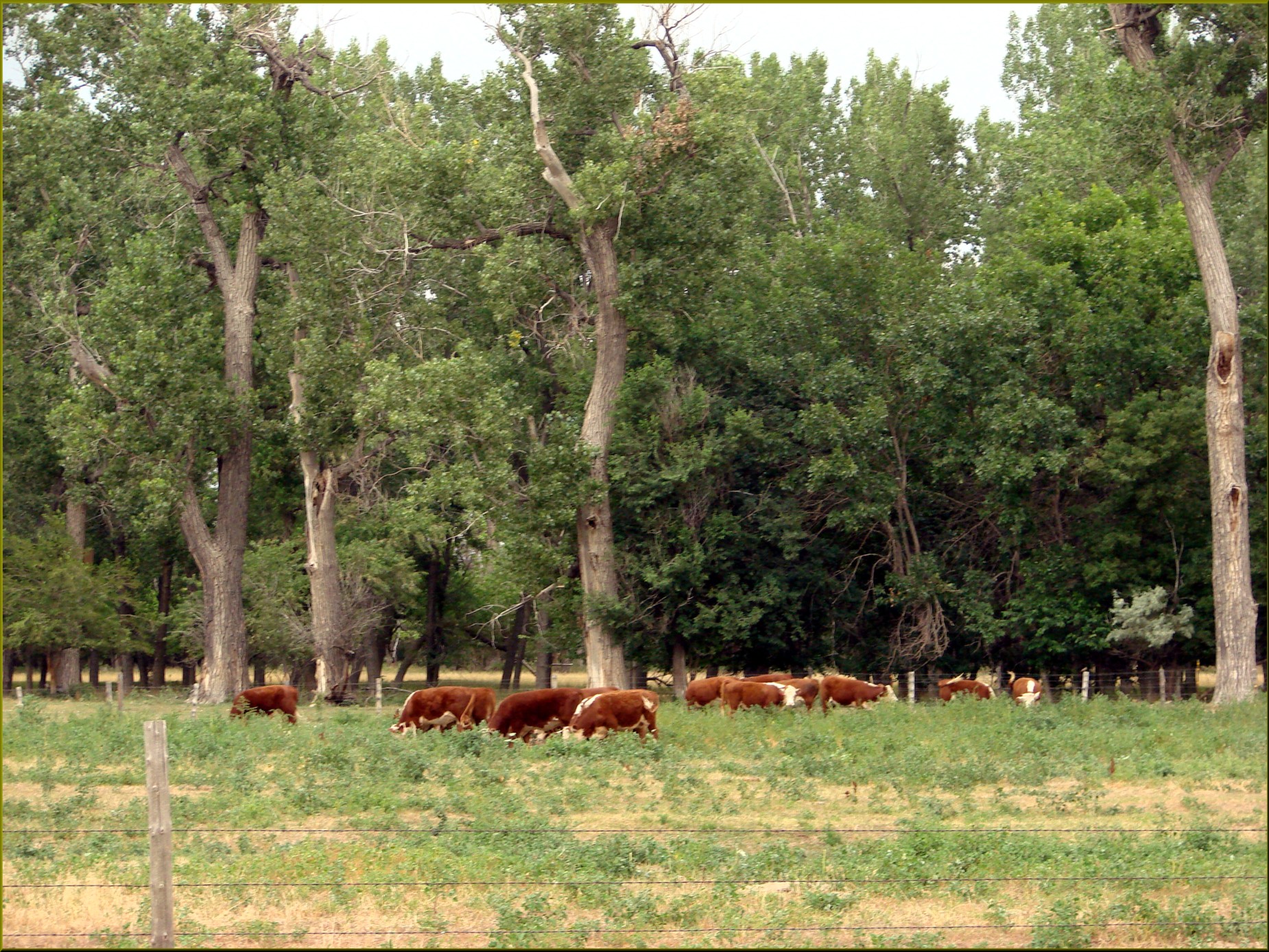
A beef cattle herd grazing on ranch pasture. Photo: inkknife_2000 (7.5 million views +), CC BY-SA 2.0. Source
The multiplier comes from local buying. Ask where the operation gets its feed, fuel, veterinary, and hauling; each one bought out of the region leaks the dollar away.
The backbone of a rural economy
Across the interior West, agriculture and ranching are often the largest part of a county's private economy, and the money tends to move through a long local chain: feed, fuel, equipment, veterinary and processing services, and the wages of people who live in the area. That local circulation is what gives farm and ranch operations a real multiplier, and it is the part a good study takes the time to follow rather than assume.
Following the dollar through the chain
The strength of an agricultural impact is how much of the operation's spending stays in the region. A ranch that buys feed and fuel locally, uses local haulers, and processes nearby supports far more surrounding activity than one that ships everything in and out. A sound study maps that chain, because the multiplier for agriculture depends entirely on how local the supply and processing actually are.
Where the leakage is
Agriculture also sends real money out of the region: major equipment, inputs like fertilizer and specialized feed, and commodities sold into national and export markets. That is normal for a producing sector and belongs in the analysis. The honest number credits the county with the local spending and payroll, and does not claim the full farm-gate value of a crop sold to a distant buyer.
Water, land, and whether it holds
In the Klamath Basin and across the Great Basin, an agricultural operation's future rests on water rights and land that are genuinely uncertain. A serious feasibility or impact study looks squarely at whether the water and the resource base can sustain the operation over its planned life, because a projection that assumes stable water where water is contested is describing a farm that may not exist in five years.
What a defensible agricultural study looks like
It traces the local supply and processing chain, credits only the dollars that stay, treats commodity sales and input purchases honestly, and confronts the water and land questions instead of assuming them away. Done that way, the study reflects an industry that, on solid ground, holds a rural county together.
Weighing a project like this? Tell us what you are considering and where, and we will lay out what a defensible impact and feasibility read takes, and what it costs.
Start a conversation