The economic impact of a food processing plant
A processing plant turns a farm county's crops into jobs and a longer local supply chain. What an honest study measures.
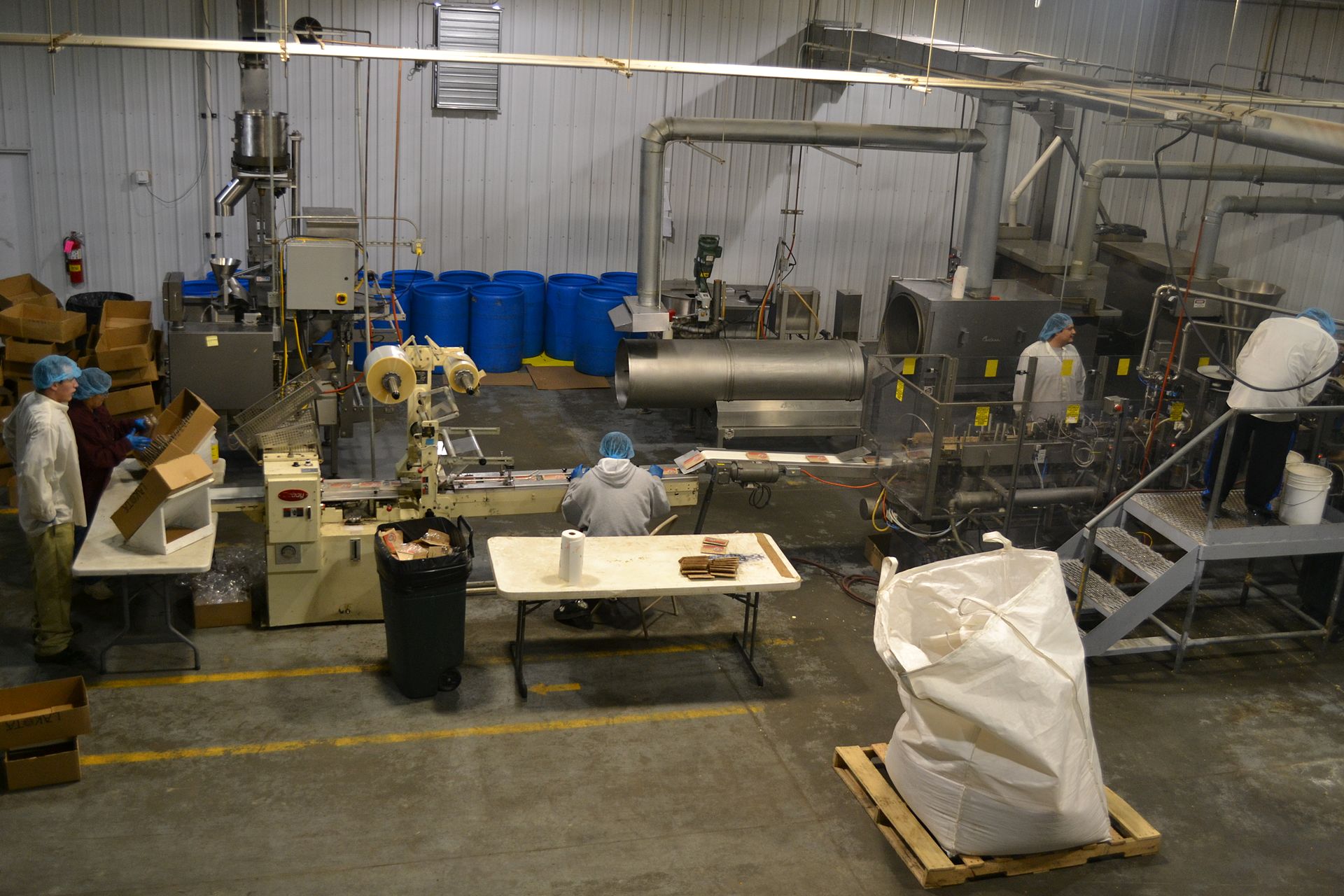
Interior of a food processing plant. Photo: U.S. Department of Agriculture, CC BY 2.0. Source
Ask what share of the crop and services the plant buys locally. One that imports its inputs keeps far less in the county than the payroll suggests.
Adding value where the crop is grown
A food or agricultural processing plant is one of the more valuable projects a farm county can land, because it adds a second stage to the local economy. Instead of shipping raw crops out, the county processes them, capturing wages, throughput, and a longer supply chain at home. In the Sacramento Valley, the Klamath Basin, and the Snake River country, that value-added step is exactly what turns commodity production into steady employment.
The local supply chain is the multiplier
The strength of a processing plant's impact is how much of its inputs and services come from the surrounding area. A plant that buys its crop from local growers, uses local trucking, and hires local labor supports far more activity than one that imports its inputs. A sound study maps that chain, because the multiplier depends entirely on how much of it is genuinely local.
Steady jobs, and the seasonal ones
Processing employment is more stable than farm labor, which is part of its value, but many plants still run harder during harvest and pack seasons. An honest study separates the year-round core jobs from the seasonal peaks rather than presenting peak headcount as permanent. That distinction matters to a county planning around the payroll.
Where the dollars leave
Major equipment, packaging, energy, and the sale of finished product to distant buyers send real money out of the region. That is normal and belongs in the analysis. The honest number credits the county with the local crop purchases, wages, and services, not the full wholesale value of product shipped to another state.
What a defensible processing study looks like
It traces the local supply chain, separates steady jobs from seasonal ones, handles equipment and product leakage honestly, and grounds the whole thing in the county's real agricultural base. Done that way, the study reflects the genuine reason a farm county wants processing: keeping more of the crop's value at home.
Weighing a project like this? Tell us what you are considering and where, and we will lay out what a defensible impact and feasibility read takes, and what it costs.
Start a conversation