The economic impact of a solar or wind farm
Construction crews, landowner payments, and tax revenue, set against a very small permanent staff. What an honest renewable energy study weighs.
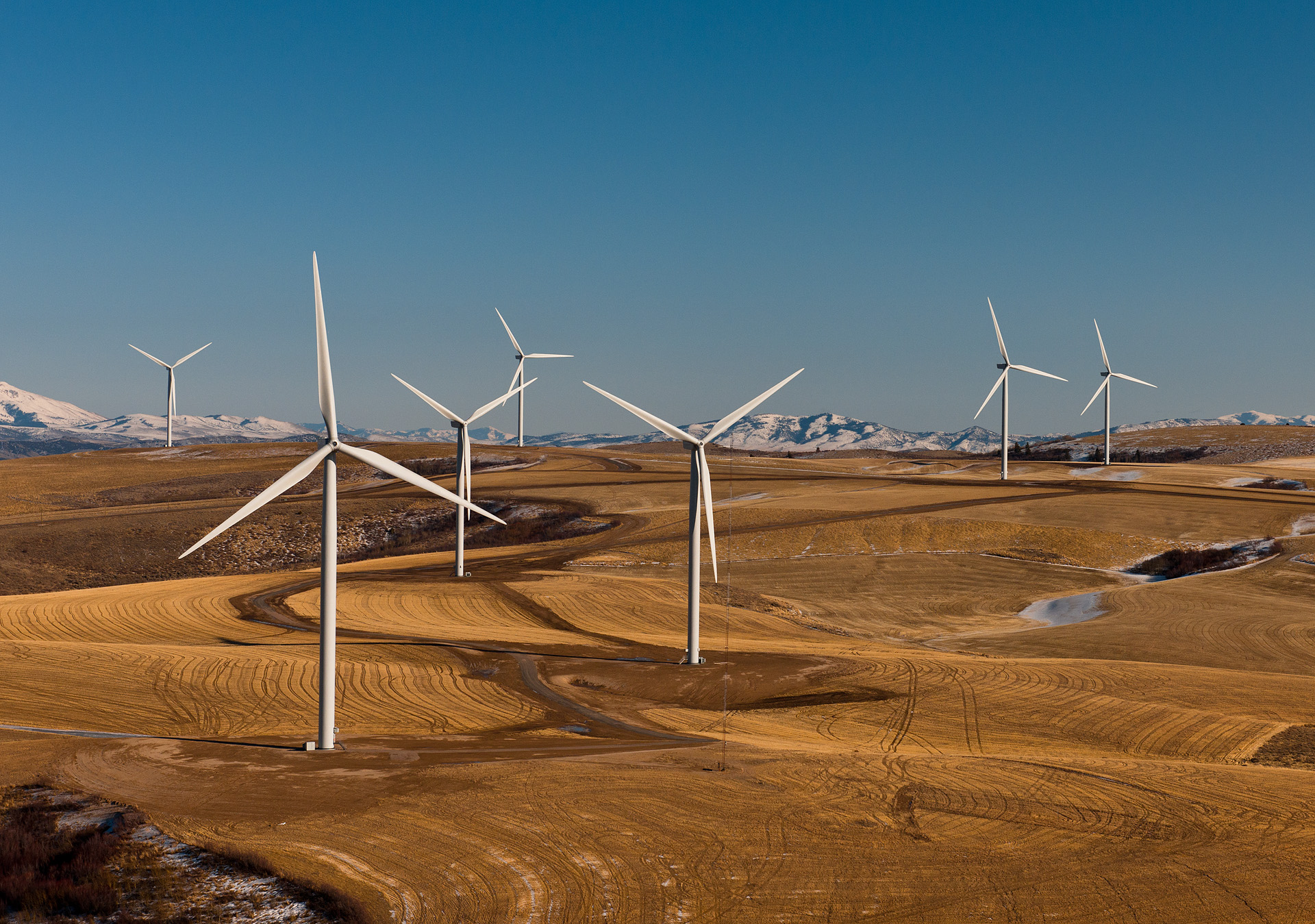
Wind turbines on open farmland. Photo: public domain. Source
Keep the streams separate. The lasting value comes from tax revenue and landowner lease payments, while the construction boom is one-time and the permanent staff stays tiny.
The shape of a renewable project
Utility-scale solar and wind projects share the data center's basic shape: a large one-time construction effort, then a long operating life with a small crew. The difference is that these projects also send money to local landowners in lease payments and can deliver meaningful tax revenue to a rural county. Getting the impact right means keeping those distinct streams straight instead of blending them into one impressive figure.
Construction versus the long quiet after
The build brings a wave of trades and local spending, often over a single busy year, followed by decades of operation run by a handful of technicians. An honest study labels the construction impact as temporary and does not let it stand in for the ongoing economy. The permanent job count on these projects is genuinely small, and a study that implies otherwise is setting a community up for disappointment.
Land payments and tax revenue that stay
The durable local benefit is usually the money that lands in the county every year: lease payments to the landowners who host the equipment, and property or production tax revenue to local governments and schools. These are the streams a rural community actually feels over time. A sound analysis quantifies them plainly, because they are the part of the story most likely to be real and lasting.
Where the equipment money goes
The panels, turbines, and major components are manufactured elsewhere, so a large share of the capital cost leaves the region immediately. Counting the full project cost as local impact overstates what the county gains by a wide margin. The local share is the site work, some of the construction labor, the land payments, and the taxes, and that is the honest basis for the number.
What a defensible renewable study looks like
It separates construction from operations, states the small permanent headcount honestly, quantifies the lease and tax streams that actually stay local, and does not credit the region with equipment money spent in another state. Done that way, a solar or wind study gives a county the real terms of the trade it is being offered.
Weighing a project like this? Tell us what is proposed and where, and we will lay out what a defensible impact and fiscal read takes, and what it costs.
Start a conversation