The economic impact of an RV park or campground
An RV park brings visitor dollars to a rural county with a light footprint. What an honest study measures, and where tourism numbers inflate.
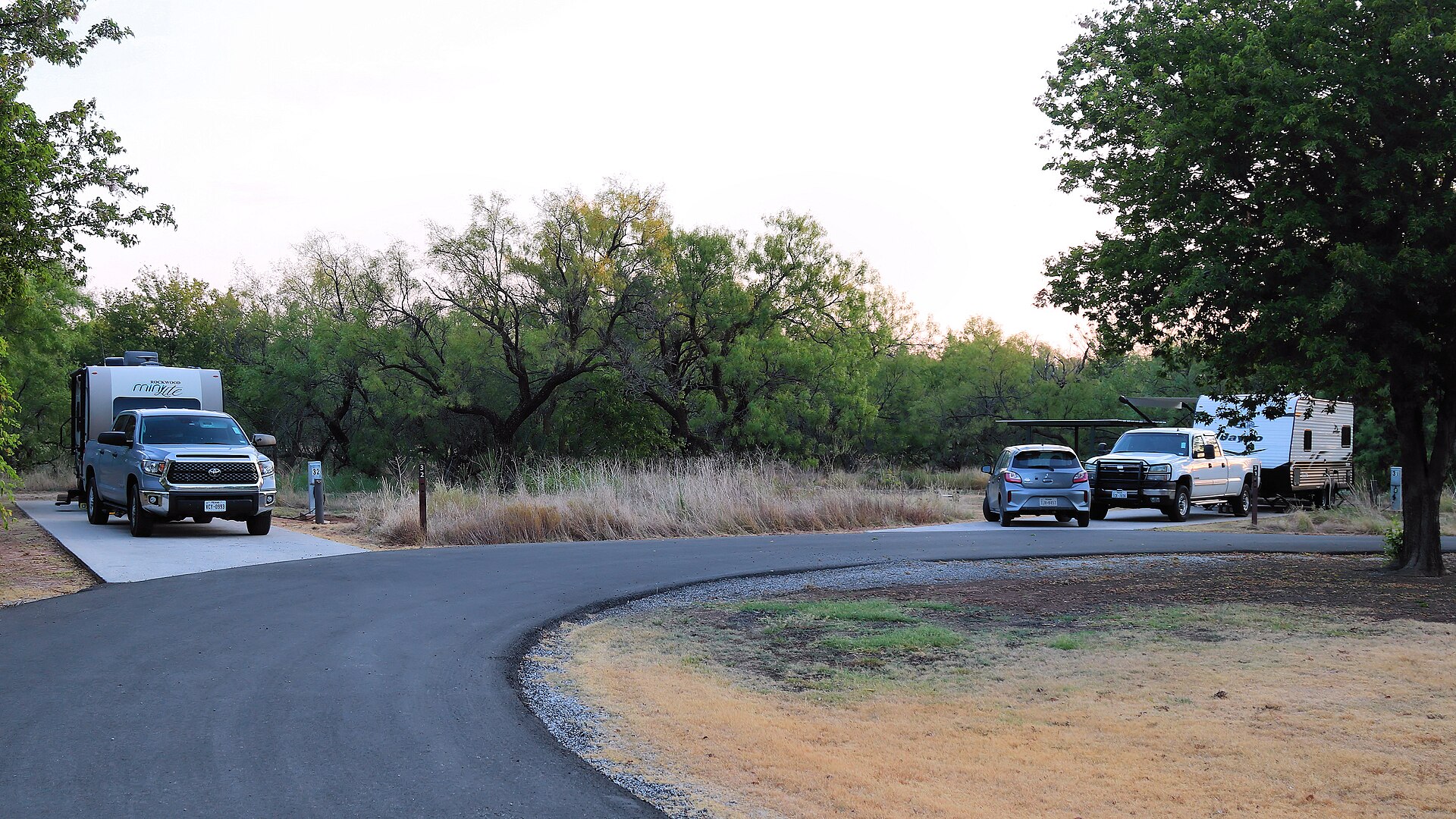
RVs parked at a campground loop. Photo: Larry D. Moore, CC BY 4.0. Source
Measure the spending guests leave at nearby fuel stations, stores, and restaurants, and count only travelers the park genuinely pulled into the county.
Small footprint, real visitor money
An RV park or campground is a light development with a real economic point: it brings travelers who spend money in a rural county they would otherwise drive through. The jobs on site are few, and often seasonal. The value shows up in visitor spending that lands in the surrounding town, at fuel stations, grocery stores, restaurants, and outfitters. An honest study measures that spending rather than the campground's own thin revenue.
New visitors, or the same ones
The number turns on how many guests are genuinely new to the area. Travelers who stop because the park exists, on their way somewhere else or to a nearby attraction, bring money that was not here before. Guests who would otherwise have camped on nearby public land or at another local park are largely shifting spending, not adding it. A sound study estimates the new-visitor share instead of counting every night as a fresh injection.
Where campers actually spend
The site fee is the smallest part of the story. The real local impact is what guests spend off-site during their stay, and that depends on whether the town has anything to sell them. A campground next to a lively main street feeds a lot of local businesses. One an hour from the nearest store keeps campers self-contained, and the local impact shrinks accordingly. A credible study looks at the surrounding economy, not just the park.
Seasonality and the shoulder months
Most campgrounds run hard for a few months and sit near empty the rest of the year. A study built on peak-season occupancy and projected across twelve months describes a business that does not exist. The honest version shows the real season and what the off months do to both the park's viability and the town's benefit.
What a defensible campground study looks like
It leans on off-site visitor spending, estimates the genuinely new visitors honestly, ties the benefit to what the surrounding town can actually capture, and states the season plainly. Done that way, the number is modest and real, which is what a county or a lender weighing a rural tourism project needs.
Weighing a project like this? Tell us what you are considering and where, and we will lay out what a defensible impact and feasibility read takes, and what it costs.
Start a conversation